All Categories
Featured
Technical Analysis into Scalable SEO Infrastructure Trends
Table of Contents
The compounding effect: their PMM group went from producing 4-5 demos per quarter to 30+, covering every launch, every sales play, and every onboarding flow. Material engine serves all GTM movements concurrently: demand gen, sales enablement, consumer success, partner enablementABM with personalized product experiences for top target accounts. Branching demonstrations that adapt to the audience's role or industry.
Securing SEO Infrastructure against 2026 ChangesAI exposure becomes a dedicated practice: weekly tracking, content optimization for AI citation, competitive tracking across AI platformsEvery marketing property is measurable: material to pipeline, demo engagement to deal speed, e-mail to activation, neighborhood to brand awarenessThe business operating at this stage (OpenAI, Salesforce, Red Hat, Zapier, Workday) reward interactive product content as facilities, not a campaign tactic.
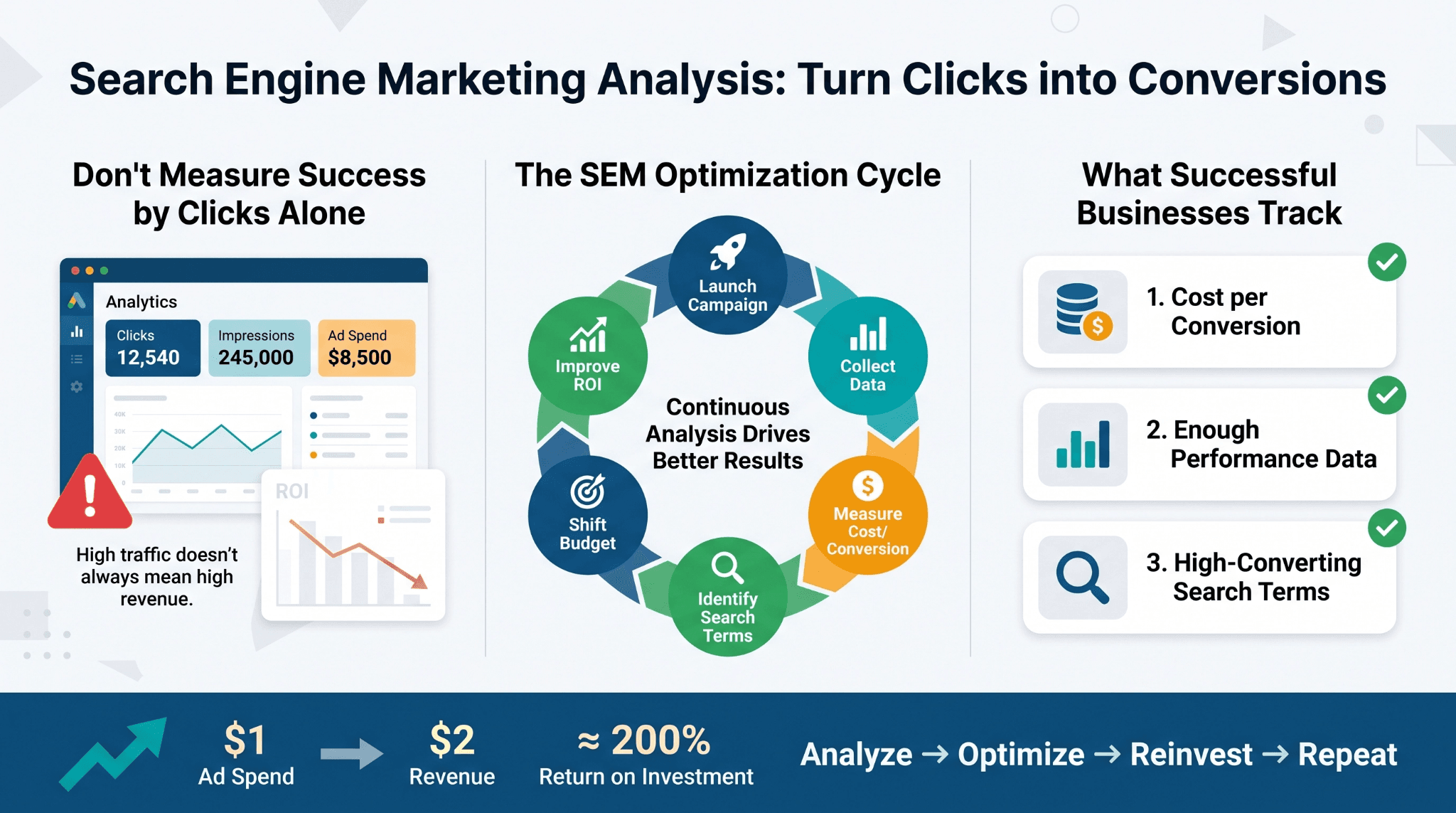
Generic metrics waste control panels. Here are the ones that suggest whether your technique is working, with benchmarks from the Structure 2025 B2B SaaS Efficiency Benchmarks and SaaS Capital 2025 Growth Rate Benchmarks: MetricWhat It Informs YouBelow AverageAverageTop PerformersIs your material engine intensifying? Listed below 5%5-10%15%+Is your PLG working? Listed below 2%3-5%8-12%Are users reaching the "aha moment"? Listed below 15%20-30%40%+How fast do users experience worth? Over 7 days2-3 daysUnder 24 hoursIs marketing adding to earnings? Below 20%30-40%50%+Are you acquiring effectively? Over 18 months12-15 monthsUnder 9 monthsAre clients expanding? Listed below 100%105-115%120%+Are you appearing in AI responses? Not trackedTracked but listed below competitorsLeading your categoryThe last row is the one most groups aren't tracking.
Why Automated Infrastructure Redefines Marketing Success
Material + item experience + client conversations. Material engine + PLG + consumer advocacy + neighborhood + AI exposure. Every marketing property serves numerous GTM movements.
Your item is your finest marketing asset. The business winning in 2026 are the ones that stopped talking about their item and began letting buyers experience it.
The greatest strategies layer both: content drives awareness, and the item experience converts. Common standards: 15-25% of revenue for growth-stage business.
Technical Analysis into 2026 SEO Infrastructure Trends
These form the method in ways that don't use to services or physical products. Material, need gen, and lifecycle. At scale, include AI exposure and community as devoted functions.
AI answer engines are where a growing share of B2B purchasers begin their research. If your item does not appear when somebody asks about your category, you're missing discovery. Content structured for AI extraction (comparison tables, direct responses, balanced points out) gets cited more frequently than traditional marketing pages.
With SaaS, the cloud company handles whatever from application advancement to infrastructure upkeep. Users just access the application using a web internet browser, without needing to set up or keep anything and without constraints on device type or location. While the user can configure specific settings and manage approvals, the SaaS company deals with all aspects of upkeep, security and updates.
Let's consider a calendar application. Users desire the ability to add occasions, meetings and appointments without the trouble of setting up settings or fretting about keeping the software application upgraded. If a server fails due to a misconfiguration or a security breach, users anticipate the SaaS provider to deal with the concern and restore their access to the application (ideally without service interruptions).
Comparing Traditional vs. Modern Digital Asset Frameworks
Nevertheless, the convenience of SaaS comes with tradeoffs. Users have little to no administrative control or ability to customize the software, and combination options can be restricted. Utilizing SaaS also indicates that the user doesn't own the software. The provider maintains control over the platform and your data, which limits user oversight.
Securing SEO Infrastructure against 2026 ChangesIn this case, business would pick a ready-made SaaS CRM option, unloading all everyday management but giving up control (over features and functionality, information storage, user access and security) to the cloud provider. If an organization needs greater control or customization, PaaS or IaaS paired with proprietary software application might be much better choices.
In response to the increasing demand, new SaaS start-ups are springing up. Enduring SaaS companies cast even broader internet, capturing a bigger share of the expanding SaaS market.

Latest Posts
Best Practices for Digital Asset Management
Top Tips for Managing Enterprise Assets At Scale

Architecting Robust SaaS Infrastructures for 2026