All Categories
Featured
Smart SEO Management for Global SEO Teams
Table of Contents
Business SEO software application is different from a standalone crawler, keyword database, or material optimizer. At the business level, buyers usually require a platform that can support multi-site governance, role-based consents, API gain access to, international search information, large crawl volumes, stakeholder reporting, and dependable integrations with analytics or BI tools. That is what makes a platform enterprise-grade: it needs to work across teams, regions, and workflows, not simply surface separated SEO metrics.
Some platforms intend to centralize reporting, workflow, and executive exposure; others are specialist tools for rank tracking, technical SEO, backlinks, or AI search presence. That distinction matters more than function count, due to the fact that a crowded user interface is not the same thing as functional fit. Not every large company requires a full enterprise platform.
As soon as you are collaborating throughout organization systems, managing worldwide websites, feeding information into dashboards, and showing impact to management, a platform ends up being much easier to validate. Something that stood out to me in this review procedure is how typically "business" actually implied procurement complexity instead of real governance depth; the better items made consents, reporting, and integration feel native instead of bolted on.
Automated Network Management for Large SEO Ecosystems
SEO remains financially attractive at that scale: SeoProfy's SEO statistics roundup mentions SEO as providing 8x ROI, which assists explain why big companies continue purchasing platforms that can appear technical concerns, content gaps, and chance locations faster than manual workflows. The category itself has actually likewise developed. Major roundups now consistently different all-in-one enterprise platforms from professional tools for technical audits, backlinks, rank tracking, and AI visibility, reflecting the truth that enterprise search programs no longer go through a single workflow or team; this enterprise SEO tools overview is a useful picture of that diversification.
How Scalable Network Ecosystems Transform SEOA long-cited BrightEdge standard says organic search drives 53% of all trackable website traffic, according to the business's channel performance research study. That is one factor enterprise teams still focus on search even as discovery pieces across timeless results, AI answers, and answer engines.
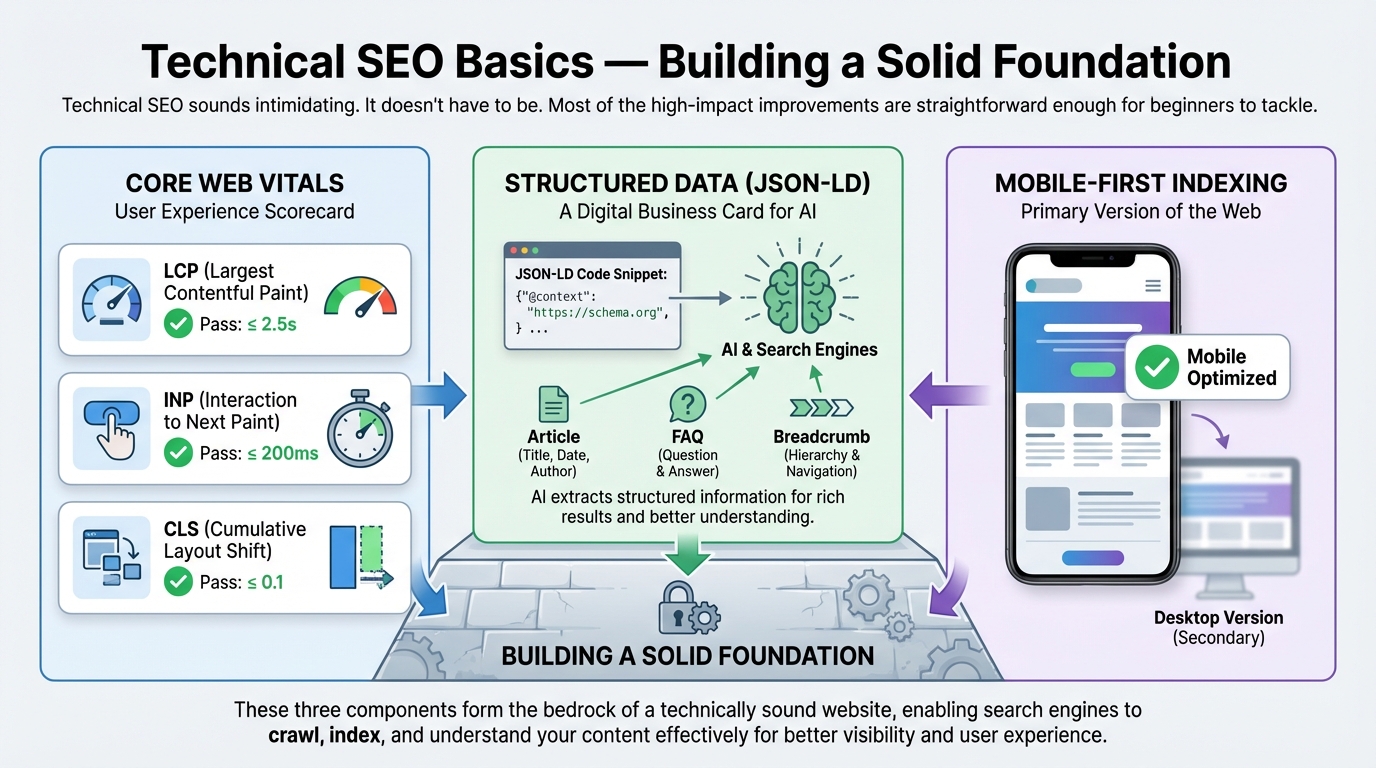
This list was not scored on raw feature volume alone. I took a look at whether each item might realistically support business work across numerous measurements: crawl scale, reporting depth, workflow and governance controls, AI exposure protection, API and integration support, pricing openness, and implementation fit for larger organizations. A tool was a more powerful prospect if it might serve more than one stakeholder group without ending up being impossible to administer.
A platform needed to use some mix of cross-team workflows, executive reporting, multi-user controls, and broad operational coverage. A professional tool could still make the list if it was clearly best-in-class for a high-value enterprise requirement such as rank tracking, crawl diagnostics, or backlink intelligence. In practice, that difference mattered a lot more than vendor positioning pages recommend.
I likewise offered more weight to products that could fit into an existing analytics stack instead of requiring groups into a closed reporting environment. From an editorial standpoint, I discovered that the most reliable vendors specified about what they do best and where they suit a stack. The least convincing were the ones that claimed to cover everything similarly well.
How to Optimize Global SEO Ecosystems in 2026
An enterprise SEO platform is typically the operational center. It combines multiple abilities, supports broader governance, and is created to serve various audiences simultaneously: technical SEO groups, material groups, marketing leadership, and sometimes analysts or developers. These platforms normally use workflow permissions, API access, scheduled reporting, and enough scale to support large or international web residential or commercial properties.
It might be exceptional for one workflow, such as technical crawling, backlink analysis, AI exposure monitoring, or large-scale rank tracking. That does not make it less valuable; in most cases, the specialist product is the much better choice since it goes deeper than a broad suite. Screaming Frog, STAT, and Riff Analytics are fine examples of tools that can play an important function even when a company currently has a primary platform.
If your biggest issue is fragmented reporting, stakeholder management, and cross-market coordination, a platform is typically the much better fit. If your group currently has analytics infrastructure and only requires one layer of capability, a professional tool might provide much better depth at lower operational expense. I would frame the decision in this manner: purchase a platform when SEO requires to be governed across groups, and purchase a tool when the task is particular enough that depth matters more than centralization.

Latest Posts
Best Practices for Digital Asset Management
Top Tips for Managing Enterprise Assets At Scale

Architecting Robust SaaS Infrastructures for 2026