All Categories
Featured
Maximizing Digital Asset Utility through Integrated SaaS
Table of Contents
Slack, Dropbox, and Notion all scaled through product-led movements where the free item drove viral adoption across organizations. When a user develops something and shares it externally, the recipient sees your product in action.
Products with built-in sharing mechanics (embeddable outputs, shareable links, collective work areas) grow more efficiently than those that depend on marketing to drive every new user. Item Marketing Alliance (50K+ PMMs), RevGenius (35K+ revenue specialists), Lenny's Neighborhood (30K+ product leaders), Exit Five (B2B online marketers), Pavilion (VP/C-level). Authentic, useful involvement in these spaces drives awareness without feeling like marketing.
Architecting Resilient Cloud Foundations for 2026
A structured advocacy program (case studies, evaluation generation, community recognition) turns happy clients into a compounding development engine. G2, Gartner Peer Insights, and Capterra are where enterprise buyers validate choices. A strong evaluation profile with current, detailed reviews doesn't simply influence human buyers. It directly forms what AI engines state about your product when buyers request for suggestions.
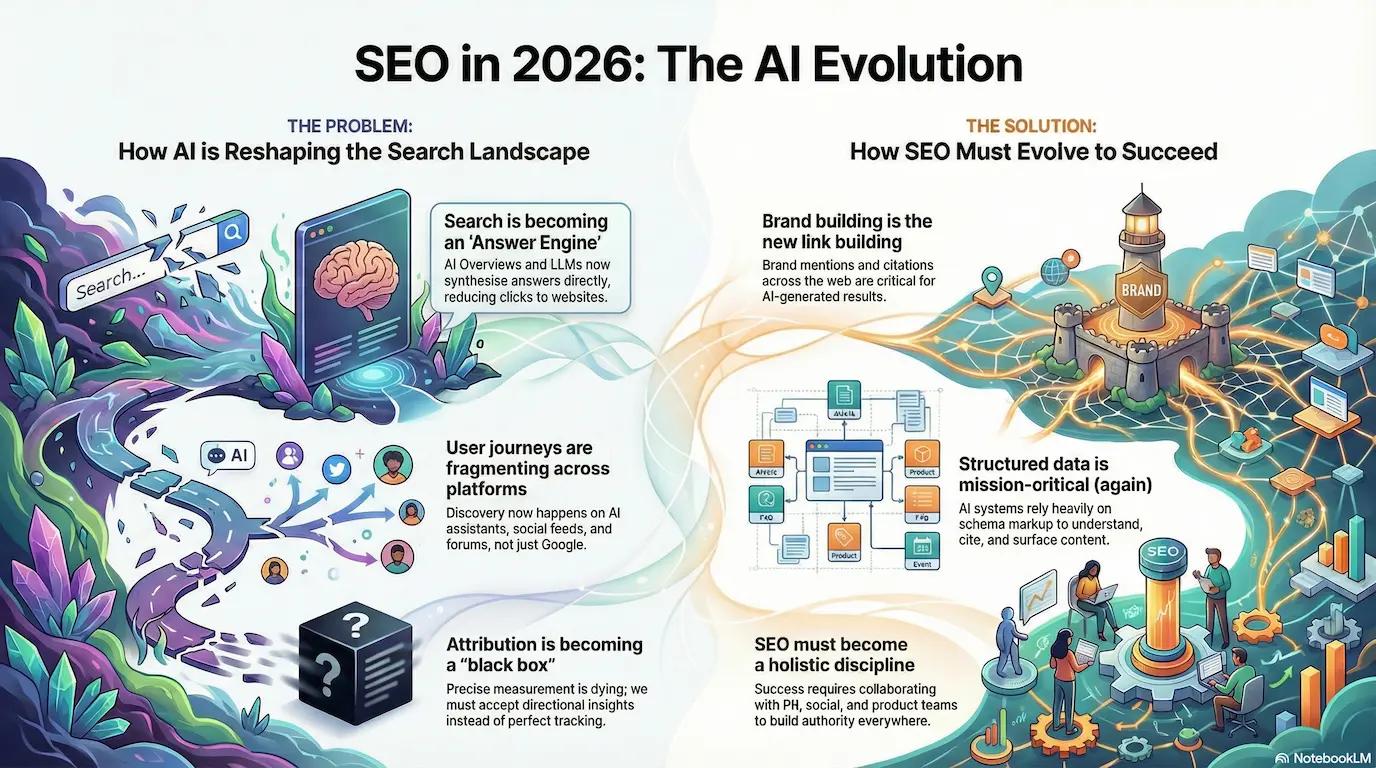
AI answer engines (ChatGPT, Google's AI Mode, Perplexity, Gemini) are rapidly ending up being how B2B buyers discover and examine software application. When a VP of Marketing asks ChatGPT "what's the very best [your category] software application," the reaction identifies whether your product makes the consideration set. Unlike Google search where you contend for clicks, AI answers are binary: you're either included in the action or you're invisible.
AI response engines don't generate viewpoints from absolutely nothing. They search the web, examine which pages seem authoritative, extract info, and manufacture a response. Whoever controls that supply chain manages what AI states about your classification.
Comparing Cloud SEO Solutions for Modern MarketingAI engines treat real neighborhood discussions as high-trust signals. Pages that compare 5-10 tools truthfully, with contrast tables and direct answers, get pointed out more than product pages that only talk about one tool., a growing share of B2B questions now solve through AI-generated answers rather than standard click-through results.
The lesson: AI presence responds to the exact same content financial investments that drive SEO, but the content needs to be structured particularly for AI extraction. Comparison tables, direct responses in the first paragraph, and balanced rival protection are the formats AI engines choose to mention. Open ChatGPT, Perplexity, and Google AI Mode.
Is Modern SaaS Infrastructure Crucial to SEO?
Do this for 10-15 variations of the query. This is your baseline. Which sites does the AI point out when responding to? Are they your pages, rival blogs, review websites, or third-party short articles? The pages AI points out are the ones you require to either create, enhance, or get featured on. AI engines can't draw out responses secured images, JavaScript-rendered components, or accordion tabs.
This is sometimes called "answer-shaped" content. G2 reviews, Reddit threads, and YouTube videos are pointed out heavily by AI engines. A G2 evaluation campaign, genuine Reddit engagement, and YouTube comparison content straight feed the citation supply chain. Track your AI presence weekly. A growing variety of platforms now provide AI share of voice monitoring across ChatGPT, Perplexity, Google AI Overviews, and Gemini.
A lot of SaaS companies aren't investing here. ActionWhyTime InvestmentPublish 2-4 blog posts/month targeting your classification keywordsPlant SEO seeds that take 3-6 months to rank4-6 hrs/weekPut an interactive product experience on your websiteLet visitors experience the product without signing upOne-time setup, 30 min to createTalk to 10 customers/monthCustomer interviews inform placing, messaging, and content5 hrs/monthGet your first 10-20 G2 reviewsBuilds the review foundation you'll need later2-3 hrs of outreachDon't run paid advertisements.

Latest Posts
Best Practices for Digital Asset Management
Top Tips for Managing Enterprise Assets At Scale

Architecting Robust SaaS Infrastructures for 2026