All Categories
Featured
How Enterprise Cloud Ecosystems Improve ROI
Table of Contents
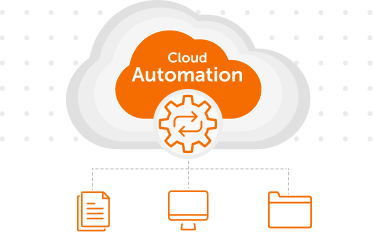
You can enjoy the entire conversation, which also discuss future prospects for network automationincluding the function of AI and device learning in changing network management and troubleshootingbelow: In the NetOps world, network automation tools, network orchestration tools, and the innovations they use play pivotal roles. These tools enhance and enhance network tasks, each serving an unique function.
These jobs range from setup management to security enforcement and use different user interfaces, platforms, and procedures. Scripting languages, software-defined networking (SDN) platforms, and APIs are commonly utilized to automate tasks and incorporate with other systems. These tools not just save time and resources but likewise enhance the reliability and effectiveness of network management.
How Automated SEO Networks Drive Global ScaleOrchestration makes sure that these jobs interact flawlessly, adding a layer of elegance to network management. A robust network automation and orchestration platform is the cornerstone for these activities, enhancing network management and operations. There are a range of leading automation and orchestration vendors in the market whose solutions integrate flawlessly with Kentik's network intelligence platform, providing a holistic and effective method to network management: Alkira - Alkira's cloud networking option merges several clouds, websites, and users by means of an enterprise network built totally in the cloud.
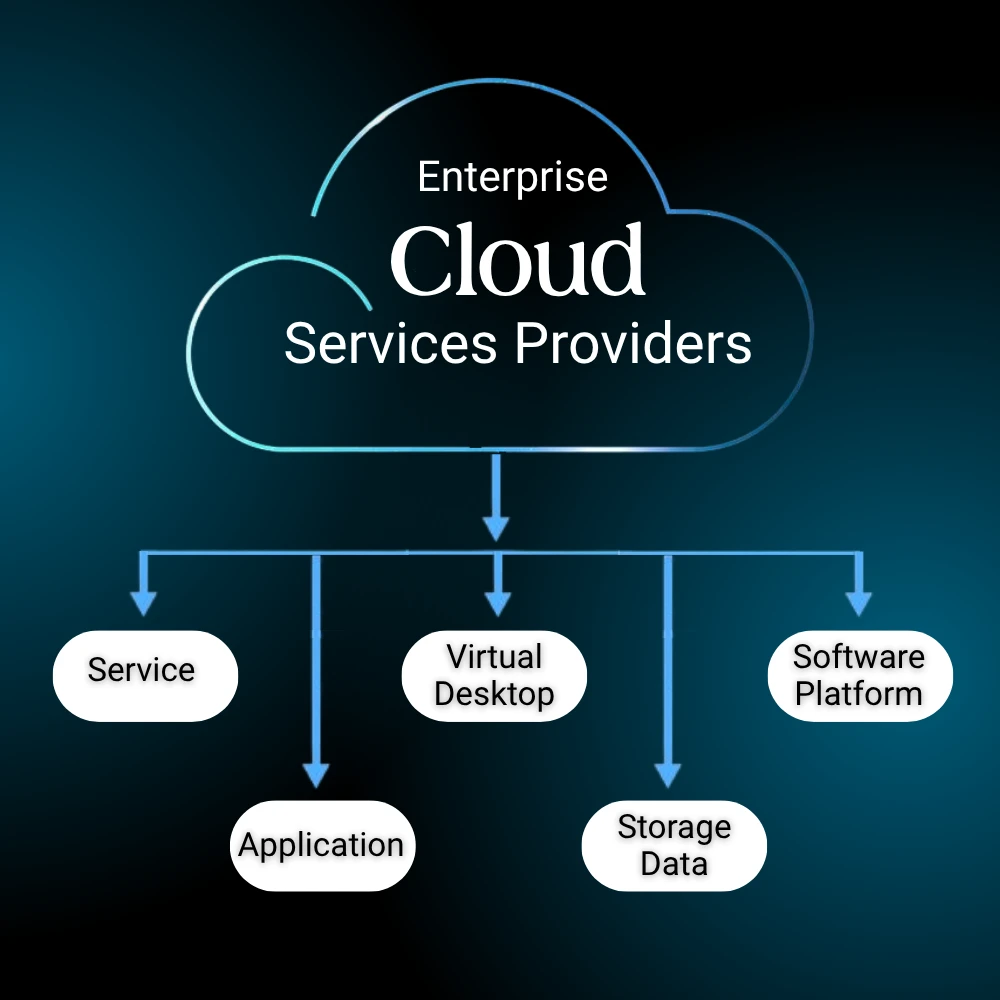
The collaboration with Kentik can provide enhanced presence into these multi-cloud networks. Itential - Itential offers an enterprise-grade Network Automation Platform that helps companies in their network automation journey, linking seamlessly with any IT system, cloud, or network innovation. Integrated with Kentik's platform, Itential's software application can assist ensure network compliance and streamline network management.
Their code-free, multi-vendor options reduce organization risk, lower expenses, and increase efficiency, complementing Kentik's network observability service. ZPE Systems - ZPE Systems focuses on facilities reliability and holistic security for medium to large business and digital company. Their services remove human mistake and permit IT to easily manage, secure, and scale a resilient infrastructure.
Evaluating Legacy Models Vs Scalable Cloud Ecosystems
Pliant - Pliant deals advanced API combination, orchestration, and automation solutions that simplify and simplify how operations and engineering groups build, release, and merge automation within their environments. Combined with Kentik's observability platform, Pliant's services can deliver comprehensive automation and smooth API integration capabilities. NetBox Labs - NetBox Labs deal with Kentik to improve functional performance through integrated NetOps workflows.
How Automated SEO Networks Drive Global Scale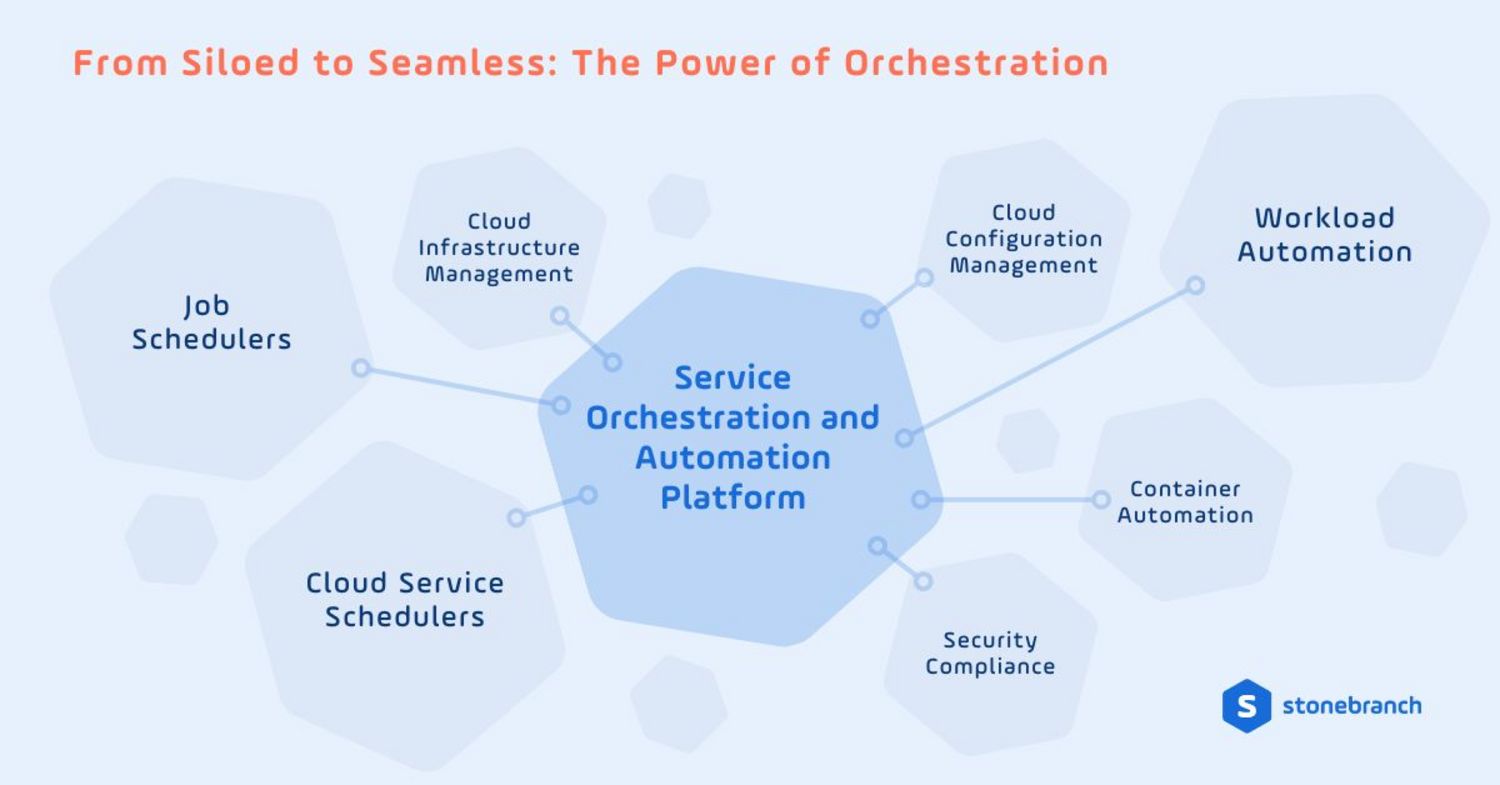
Future combinations will include dynamic stock management and contextual enrichment, supplying a comprehensive approach to network automation and observability. The integration of these automation and orchestration tools with Kentik's platform allows companies to capitalize on network automation, orchestration, and observability.
As networks become more complex, including numerous technologies, hyperautomation has actually become a transformative method to address this complexity. Hyperautomation combines innovative technologies like synthetic intelligence (AI) and artificial intelligence (ML) with conventional automation methods to enhance and simplify network operations. It extends beyond automating private tasks by developing an environment where digital and human elements interact harmoniously.
Benefits of Scalable Network Control in SEO
By leveraging AI and ML, hyperautomation can forecast network habits, respond autonomously to changes, and enhance network efficiency without human intervention. This causes enhanced performance, considerable cost savings, and improved customer experiences. The effective execution of hyperautomation includes evaluating the existing state of automation, identifying automation gaps, and developing a technique to attend to these gaps.
After recognizing the use cases, the proper hyperautomation tools and technologies are selected based upon their features, capabilities, and positioning with the existing infrastructure. These tools and technologies are then rigorously evaluated in a controlled environment to confirm their effectiveness. A vital part of hyperautomation implementation is the emphasis on information quality and security.
Robust security steps, such as file encryption and access controls, are carried out to secure the network's data. Similar to any substantial change, transitioning to hyperautomation requires a well-planned modification management technique. Staff members require to be trained on the new processes and technologies, and a culture of continuous learning and enhancement must be fostered.
Key Tips for Optimizing Enterprise Assets Automatically
This group must include roles such as an executive sponsor, job manager, company analyst, option designer, automation engineer, and change manager. Engaging key stakeholders throughout the hyperautomation initiative is essential to ensure buy-in and assistance. To accomplish long-term success with hyperautomation, organizations need to cultivate a culture of development and continuous enhancement.
The progress of a hyperautomation initiative is frequently measured and kept an eye on utilizing key performance indicators (KPIs), such as cost savings, efficiency improvements, or client complete satisfaction. The insights got from this tracking are utilized to refine and enhance the hyperautomation strategy, guaranteeing it continues to provide maximum value. By carefully implementing hyperautomation, IT leaders can unlock considerable benefits, including enhanced effectiveness, cost savings, and boosted customer experiences, guaranteeing their networks can manage the demands of the modern digital landscape.

Latest Posts

Best Practices for Digital Asset Management
Top Tips for Managing Enterprise Assets At Scale

Architecting Robust SaaS Infrastructures for 2026