All Categories
Featured

Enhancing Operational Success Through Advanced Cloud Systems
Table of Contents
Automation permits deployment and occurrence reaction to be fast and with no threat of network disruption. In addition, misleading networking has actually likewise ended up being more prevalent in network security. This form of networking, otherwise called 'Honey Pots' or 'Phony Networking' is a sophisticated strategy where an incorrect network is established to acquire intel on the who, what, where, when and why of opponents.
Now that we understand network automation is an important asset to any organization, it's useful to know the network automation lifecycle. The lifecycle of network automation can normally be broken down into a couple of key stages: Gathering and centralizing notifies from various network gadgets, systems and other company security areas into an unified platform to minimize noise and provide a clearer overview of prospective issues.
What this means is taking low-fidelity informs and turning them into higher-fidelity alerts so that network security experts can make fast decisions on whether to act or not, be it handbook or automated. Network Security Operations (SecOps) can then choose to activate automatic actions in action to certain alerts, such as blocking harmful IPs or rerouting traffic, based on predefined usage cases.
Automate the management of the entire lifecycle of network gadgets and software, consisting of upgrades, patches, and decommissioning, to maintain ideal performance and security. This is a fascinating concern because there is in fact an absence of network automation tools out there, even from the huge portfolio companies. But taking a look at the tools on the market, they have mainly been focused on the operations side of network security, so distributing updates across the network or logins for example.
Network automation tools must have dual functionality, having the ability to carry out both operational and security jobs to guarantee effective network management and enhance the network's defense against evolving security risks. The best network automation tool is one that provides smooth integration throughout all security platforms and innovations important for your organization.

Building Robust Cloud SEO Systems in 2026
Organizations require a tool that will comply with their existing processes, not one that needs them to alter their procedures to meet the requirements of the tool. The best tool requires to be adaptable and your network automation tool must be scalable and able to evolve as brand-new technologies emerge.
At Swimlane, we understand that every company is unique. This suggests every organization requires a tool with versatility and personalization to develop an usage case according to the specific architecture and environment. Swimlane Turbine is built with your organization's future in mind. That's why Turbine is the only AI-enhanced security automation platform that can adjust to your ever-evolving environment and surpass the pace of change that modern-day security operations understand too well.
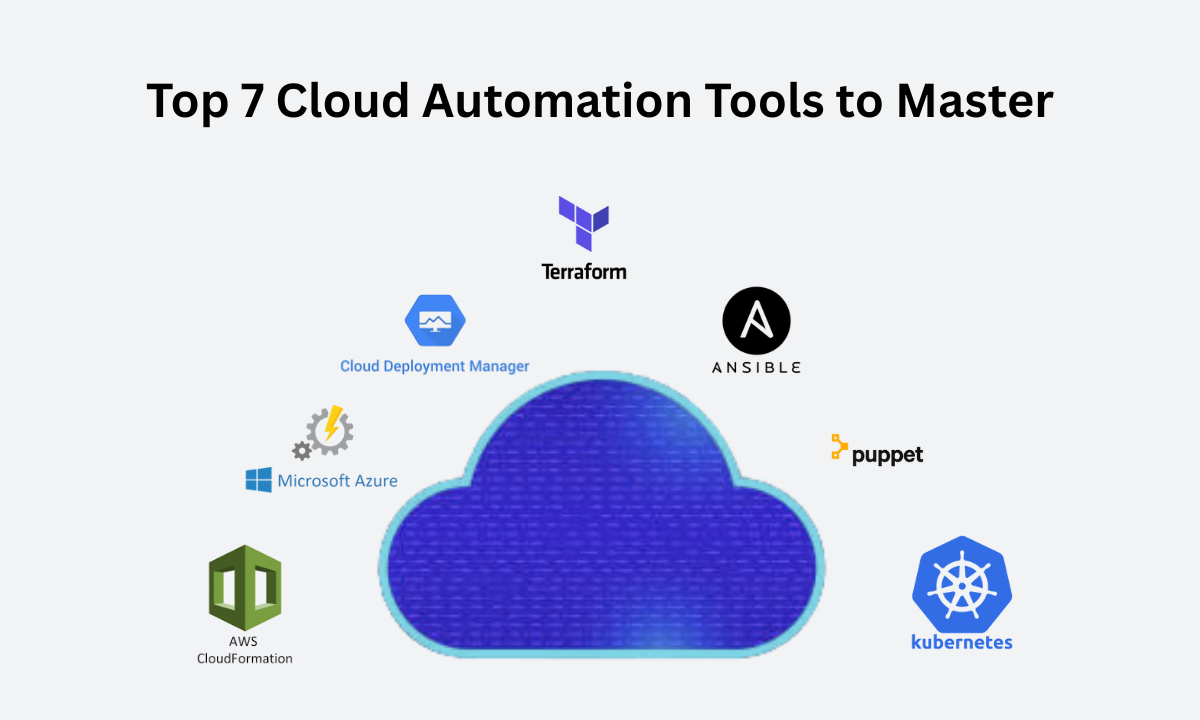
Network automation can overcome basic command line interface (CLI) arguments or by using a software application layer used across networking devices (including routers, switches, firewall softwares, servers and other devices). CLIs are interface that run programs and interact with a computer system's os by utilizing lines of text called command lines.
They can also put together command lists into text filesknown as shell scriptswhich make it possible for the CLI to carry out several commands concurrently using a single command line. Network automation software application enhances network tasks into ready-to-use programs that can be quickly picked, arranged and deployed from the user interface. It depends on application programming user interfaces (APIs) to facilitate interaction with hardware and network gadgets throughout on-premises data centers, public and private clouds and hybrid and multicloud environments.
Advantages of Automated Network Management for Marketing
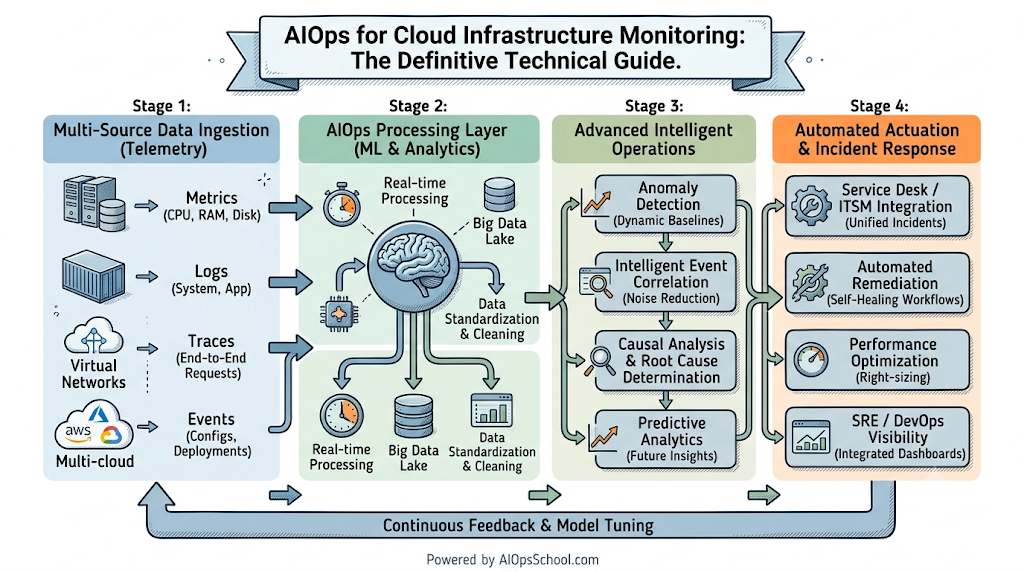
And with the integration of expert system (AI) and artificial intelligence (ML) innovations, network automation tools can help teams considerably increase network speed and operational performance. An AI-driven automation engine can evaluate network and application efficiency, automatically adjusting configurations as needed. With ML features, network automation tools can analyze bandwidth use and performance trends to set up physical and virtual network properties based upon established criteria and efficiency metrics.
A lot of network automation strategies make the most of the advantages of both software-driven automations and CLI-based automations (to varying degrees) to help companies build lightning-fast, high-availability computing networks.

Latest Posts

Best Practices for Digital Asset Management

Top Tips for Managing Enterprise Assets At Scale

Architecting Robust SaaS Infrastructures for 2026