All Categories
Featured

Designing High-Performance SEO Infrastructure With SAAS Automation
Table of Contents
This short article checks out these technologies' significance, types, advantages, and utilize cases and how Kentik's network observability solutions can assist services utilize their capacity. From intelligent automation to the transformative power of hyperautomation, we explore these integral elements of future-ready networking. Network automation is the process of automating the management and operations of a network facilities.
Modern IT departments leverage network automation platforms to improve network performance, guaranteeing high network service schedule while reducing manual, recurring jobs. Kentik in quick: Kentik is a network intelligence platform that makes network automation much safer and more reliable by providing the observability signals that automation requires to act with confidence. Kentik delivers actionable insights and alerts, recommends restorative actions, and incorporates with leading orchestration platforms so teams can set off and confirm automated workflows utilizing real network proof.
The 10 Critical Use Cases for Network IntelligenceLearn how AI-powered insights assist you forecast concerns, enhance performance, reduce costs, and improve security. Get Your Copy The significance of network automation originates from its role in modern-day network infrastructure management. Automation minimizes human errors, reduces downtime, and improves the speed of network operations such as provisioning, configuration, and management, especially in complicated cloud networks.
Scaling Robust Cloud Asset Systems in 2026
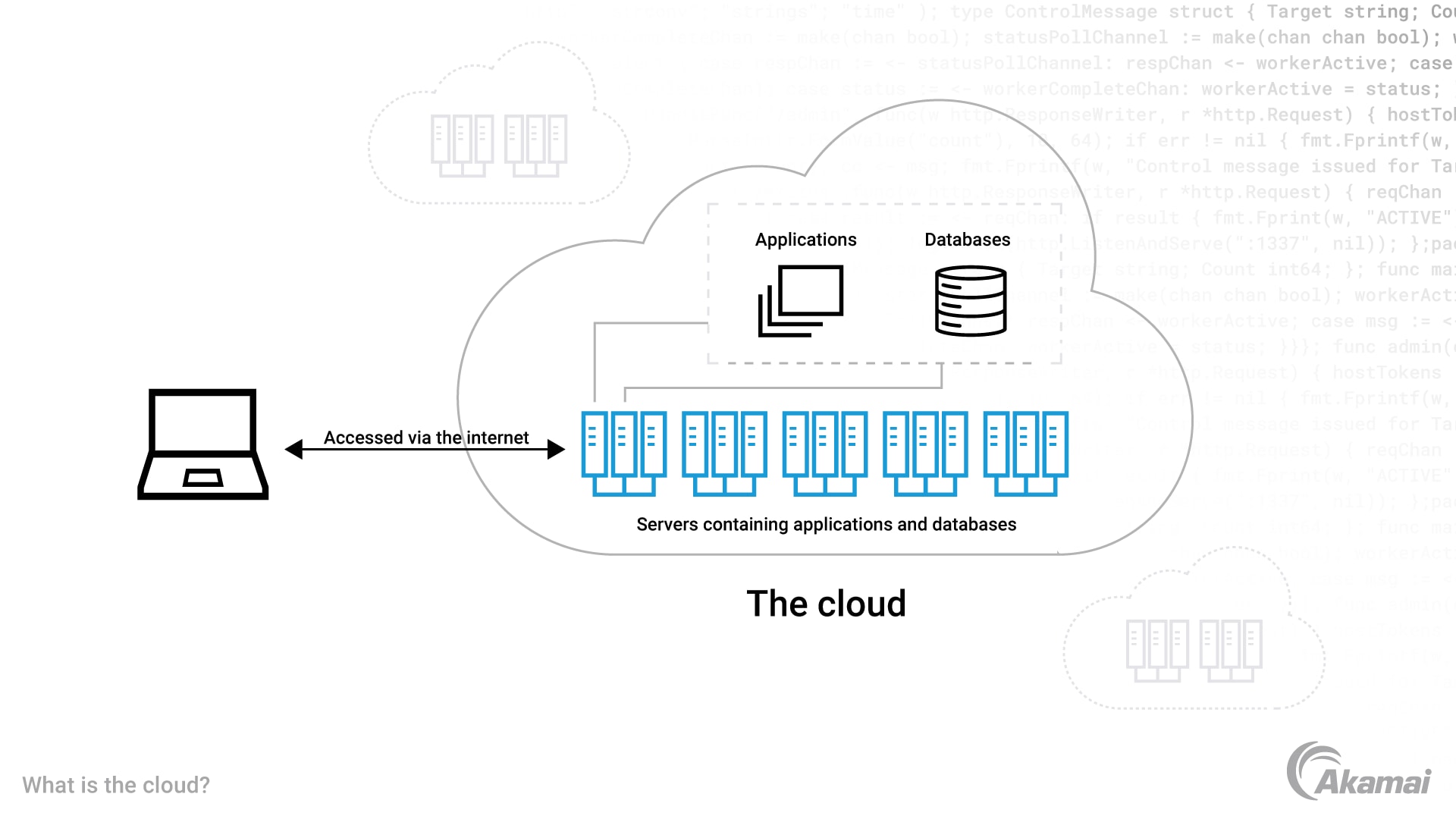
The requirement for network automation is mostly driven by two factors: the increasing intricacy of contemporary networks and the need for functional efficiency. As networks expand and incorporate technologies like cloud and IoT, their management becomes significantly complicated. Automation provides a service to this intricacy, enabling more efficient network management, reducing errors, and improving functional performance.
Network engineers implement network automation utilizing these user interfaces, scripting repetitive jobs and operations. This process might involve automating the setup of virtual networks, configuring new gadgets, or even automating reactions to specific network events. Intelligent network automation leverages expert system and maker knowing algorithms to automate intricate network tasks. Unlike standard network automation, smart automation goes even more, providing predictive analysis, anomaly detection, and advanced information insights, making it a crucial element of intent-based networking.
Here are a few of the essential benefits: Improved Effectiveness and Productivity: Network automation gets rid of manual intervention in routine jobs, therefore enhancing efficiency and performance. Improved Network Reliability and Stability: By decreasing the possibilities of human mistake, automation improves the reliability and stability of network operations. Scalability and Flexibility: Network automation offers the scalability and flexibility needed to handle growing or changing network infrastructures.
Let's look at 3 primary types: Includes composing scripts in shows languages to automate jobs. It's versatile but needs coding understanding. Develops a virtual, programmable network independent of the underlying hardware. It offers centralized control and quick configuration changes. Uses sophisticated analytics and machine learning to automate administration jobs. It's the most innovative type of network automation, translating organization goals (the 'intent') and immediately implementing network policies.
Here, we'll analyze a few of the most substantial parts: Setup management involves managing and managing network device setups to guarantee they line up with predefined policies and standards. This process typically consists of tracking and documenting network setup modifications, which helps repair and makes sure consistency throughout the network. These parts jointly supply real-time presence into network efficiency.
Maximizing Operational Efficiency Via Advanced Cloud Solutions
Automated insights and notifying in Kentik This includes releasing and managing network devices, including physical and virtual appliances. Network automation makes it simple to provision brand-new devices, upgrade existing ones, and troubleshoot issues remotely. Keeping an eye on all network devices and their statuses is necessary for effective network management. Automation guarantees accurate and updated stock records and helps preserve detailed network documents, thereby minimizing the time and effort needed for network audits.
Network automation helps impose compliance with regulatory standards and execute security protocols consistently throughout the network. It automates the detection and removal of non-compliant configurations and prospective security risks. This includes automating and collaborating complex sequences of network operations across numerous devices and systems, guaranteeing they collaborate flawlessly. APIs are type in network automation, making it possible for software programs to engage with network devices and other software platforms.
Automated reporting offers valuable insights into network efficiency, usage trends, and possible problems. It assists network administrators make data-driven decisions. SUBSCRIBESign up for the very best Kentik has to provide, from articles to analysis and more. In a current webinar, "Network automation: Are you the just one refraining from doing it?", network engineers from Kentik and networking expert Corey Quinn went over numerous important challenges impacting the adoption of network automation in today's complex hybrid-cloud networks: Cultural and Ability Shifts: Network professionals need to adjust to new functions, combining conventional network engineering with software development skills, cultivating a substantial cultural and capability shift within IT departments.

Latest Posts

Best Practices for Digital Asset Management

Top Tips for Managing Enterprise Assets At Scale

Architecting Robust SaaS Infrastructures for 2026